Airbnb Damage Policy, Insurance and Deposits: What Actually Protects Your Property

Three things can protect a short-let property: AirCover, a short-let insurance policy and, where it is allowed, a deposit. Airbnb's damage policy offers up to $3 million in damage protection per stay, but it applies only to Airbnb bookings and it is not insurance. A separate policy is meant to cover what AirCover leaves out. Most Airbnb hosts cannot take a deposit at all.
What is the Airbnb damage policy?
Airbnb's damage policy is called Host damage protection, and it is one part of AirCover for Hosts. The wider programme also includes guest identity verification, reservation screening, $1 million in Host liability insurance and a 24-hour safety line.
Host damage protection covers up to $3 million per stay. It works as a guarantee, and Airbnb's Host Damage Protection Terms state that it is not insurance and does not replace insurance. The guest is responsible for paying for the damage first. Airbnb pays only if the guest does not.
Host liability insurance is a separate product and a real insurance policy. It covers your legal liability if a guest is injured, or their belongings are damaged or stolen, during an Airbnb stay. For UK hosts it is underwritten by Zurich and regulated by the Financial Conduct Authority. It does not cover damage to your own property.
All AirCover limits are set in US dollars and converted at the exchange rate on the day of payment. AirCover applies only to stays booked through Airbnb.
Does Airbnb cover guest accidental damage?
Yes, if the damage fits the Host Damage Protection Terms. Not every mark or breakage qualifies.
AirCover covers physical damage caused by a guest, the people they invite or their pet. It also pays for unexpected cleaning of stains, and for removing smoke odour when a guest smoked in breach of your house rules. If the damage makes the home uninhabitable and confirmed Airbnb bookings have to be cancelled, the lost booking income is covered too.
It helps to separate wear and tear from real damage first. Scuff marks from luggage, limescale in the shower or a towel stained with make-up are a normal part of hosting and rarely worth a dispute. Nail polish spilled on the sofa, a hole in the floor from a dropped heavy item or a missing TV are the kind of damage AirCover is designed for. If something was stolen, Airbnb also asks for a police report.
Several things are excluded:
- Wear and tear: the gradual decline of furniture, fittings and appliances through use, age or lack of maintenance.
- Consumables: toiletries, lightbulbs, coffee and similar items, unless they were locked away or marked as unavailable in your house rules.
- Cash.
- Unexplained losses: items that disappear without explanation or shortages found when taking inventory.
- Natural events: storms and other weather-related damage.
- Damage after the stay: anything caused once the booking has ended.
The amount paid matters too. For most items Airbnb pays the lowest of the repair cost, the replacement cost or the actual cash value, which is the replacement cost minus depreciation. An older sofa is not paid at the price of a new one. Extra cleaning is paid only above the cleaning fee you charged.
What protects you against Airbnb property damage?
No single layer covers everything. AirCover, a short-let insurance policy and a deposit each work differently, so it helps to compare them side by side.
| What it covers | What it doesn't cover | Limits | Claim deadline | Which bookings | |
|---|---|---|---|---|---|
| AirCover (Host damage protection) | Damage by guests, their invitees and pets; unexpected cleaning; lost Airbnb bookings | Wear and tear, consumables, cash, unexplained losses, natural events | Up to $3 million per stay, usually the lowest of repair cost, replacement cost or actual cash value | Ask the guest within 14 days of checkout; file with Airbnb within 30 days | Airbnb bookings only |
| Short-let insurance policy | The losses listed in the policy wording | Anything the wording excludes | Set by the insurer | Set by the insurer | The platforms and letting types the policy names |
| Deposit | Costs deducted under the terms agreed with the guest | Anything above the amount held | The amount held | Not applicable: the money is held before the stay | Not available to most Airbnb hosts |
Most Airbnb hosts cannot ask guests for a deposit, either through the Resolution Centre or outside the platform. The exception is hosts who manage listings through connected property management software. They can collect a deposit outside Airbnb, but only if it is shown in the correct fee field.
Without a deposit, you request reimbursement from the guest through the Resolution Centre within 14 days of checkout. If Airbnb decides the guest is responsible, their payment method may be charged. If you have already received money for the same damage, from a deposit or from an insurer, AirCover reduces its payment by that amount.
Do you need Airbnb insurance in the UK?
In most cases, yes. Airbnb's terms strongly encourage hosts to buy insurance for losses that Host damage protection does not cover, and Airbnb advises hosts to ask their insurer how, or if, an existing policy overlaps with AirCover. Standard home insurance may not cover paying guests, so check the wording before your first booking.
AirCover is not Airbnb home insurance. When owners search for Airbnb insurance UK or Airbnb property insurance, what they usually need is a short-let policy that sits alongside AirCover.
AirCover leaves two gaps that a separate policy can close. It excludes common losses such as wear and tear, unexplained losses and natural events. It also applies only to bookings made through Airbnb, so stays from Booking.com, Vrbo or direct bookings have no AirCover at all.
Staymo advises on and coordinates appropriate short-let insurance during onboarding, so bookings outside Airbnb are not left without cover.
How does short term rental guest screening work?
Screening reduces risk before a stay, while AirCover and insurance only help after damage has happened. Airbnb runs its own checks, but they are limited.
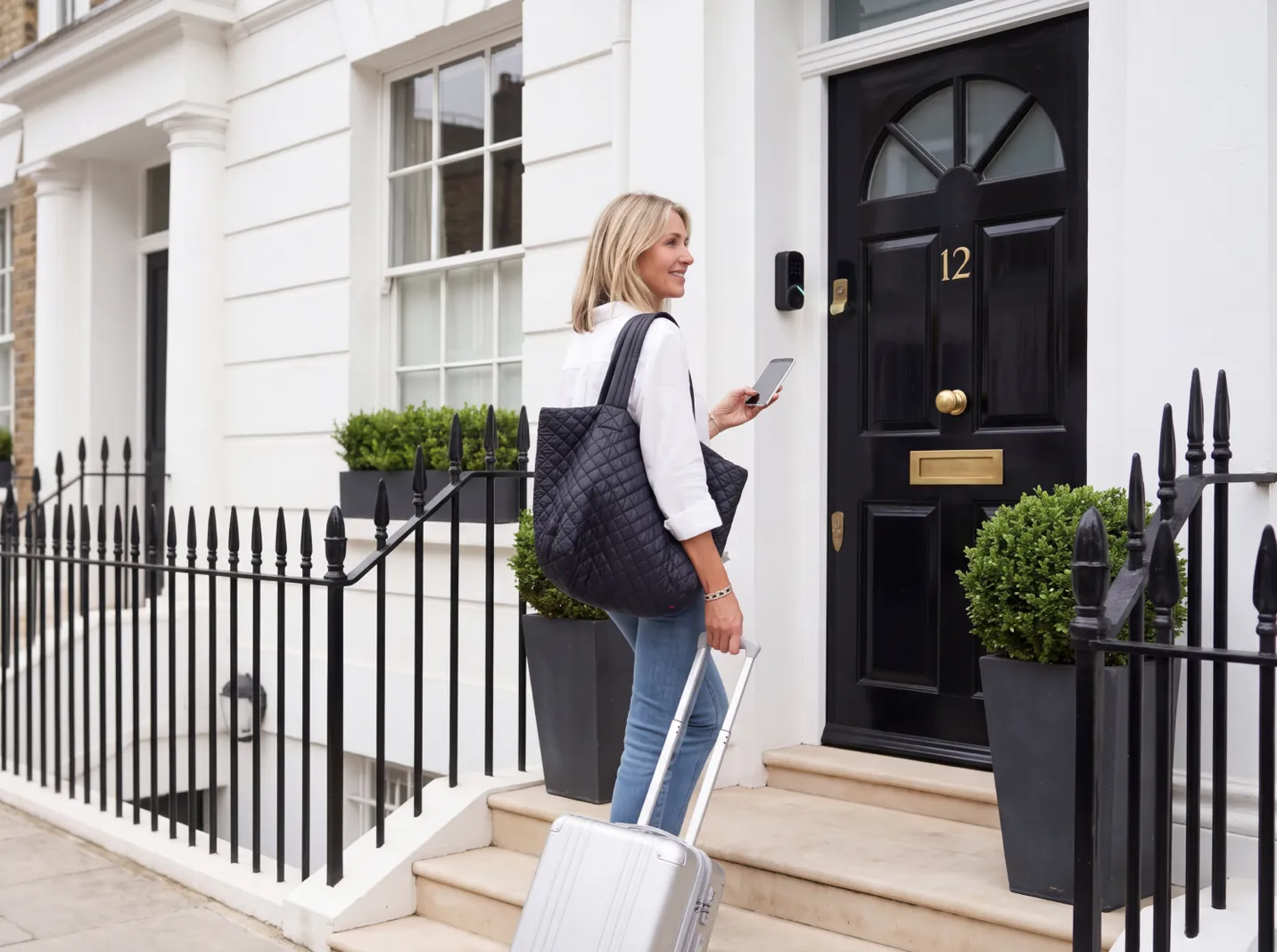
Every booking guest on Airbnb must complete identity verification, and Airbnb says openly that the process does not guarantee someone is who they say they are. Airbnb also uses machine-learning reservation screening to block or redirect bookings with a higher risk of parties. It does not run in the same way in every country, and Airbnb states that verification and screening are not insurance and do not guarantee incidents won't happen.
That is why screening on the owner's side matters. Every Staymo management plan includes full guest screening as standard. We review feedback from previous hosts, confirm each guest's verification status and contact guests with little review history to ask about the purpose of their stay and the size of their group. Our guide to common Airbnb scams covers the warning signs to look for, and our article on anti-party measures for New Year’s Eve shows how we protect properties on the highest-risk nights.
Frequently asked questions
What are safer alternatives to Airbnb for property owners?
You can list on other platforms such as Booking.com or Vrbo, but AirCover does not apply there, so you need your own short-let policy. Longer stays mean fewer guest changeovers: mid-term rentals of one to six months suit owners who want less turnover. Guaranteed rent replaces variable nightly income with a fixed monthly payment. Our guide to Airbnb alternatives compares the platforms in more detail.
Is AirCover the same as Airbnb home insurance?
No. Host damage protection, the part of AirCover that covers your property, is a guarantee rather than an insurance policy. Host liability insurance is a real policy, but it covers injury to guests and damage to or theft of their belongings. It does not cover damage to your own home.
Does Airbnb do its own guest vetting?
Yes, within limits. Airbnb requires every booking guest to verify their identity and uses reservation screening to block some higher-risk bookings. It states that neither guarantees who a guest is or how they will behave, so owners and managers in London still need their own screening before each stay.
What happens if a guest causes damage on Airbnb?
The guest is responsible for paying first. Photograph the damage straight after checkout, get repair or replacement quotes and keep the receipts, then ask the guest for reimbursement through the Resolution Centre within 14 days. If the guest does not pay, you can file a Host damage protection request within 30 days, and AirCover may cover eligible damage within its limits and exclusions. For properties managed by Staymo, our team collects the evidence and handles the claim.
Do I need property insurance if I have AirCover?
Airbnb's own terms encourage hosts to buy insurance for losses AirCover does not cover. AirCover also applies only to Airbnb bookings. If you list anywhere else, or want cover for exclusions such as wear and tear, a separate short-let policy is worth considering.
Protection works best in layers: screening before the stay, AirCover for Airbnb bookings and a specialist short-let policy for everything else. Staymo sets up guest screening and the right short-let cover before your first guest arrives, so you know what is covered from the start.
This guide is general information, not insurance or legal advice. It reflects Airbnb's Host Damage Protection Terms as last updated on 1 August 2026 and was checked in September 2026. Check your own policy wording with your insurer or broker.