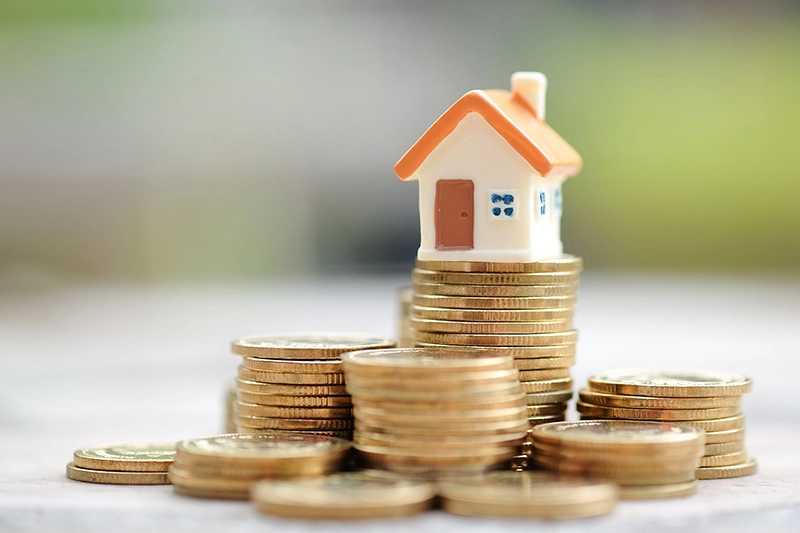
What is Airbnb and how does it work for hosts?

Are you wondering, 'Should I Airbnb my home?' and considering turning your primary residence into a short-term rental? There are numerous motivations behind such a decision. Perhaps the departure of children has left you with a spacious house with many vacant rooms, or you find yourself seldom at home due to constant work travels or frequent stays at your partner’s apartment.
The sharing economy offers a lucrative opportunity, with Airbnb operating in almost every major city in the world, including London, New York, Dubai, and Paris. For homeowners owning an Airbnb can be a lucrative venture for homeowners looking to generate extra income.
However, before converting your primary living space into a source of extra rental income through Airbnb, it's essential to consider both the benefits and potential drawbacks, especially regarding how it might affect your daily routine. Is Airbnb worth it? Here is a straightforward guide to the essentials of short-term letting your home on Airbnb, based on our expertise in short-let management.
What is Airbnb?
Airbnb is an online marketplace where owners list space for short stays and travellers book it directly. The owner sets the price, the availability and the house rules. Airbnb handles the booking, takes the payment and runs the review system, and charges the host a commission on every stay. For a London owner it is a way to let a property night by night instead of on a fixed tenancy.
| Pros for hosts | Cons for hosts |
|---|---|
| easy, stress-free bookings | securing personal belongings |
| Tax perks | legal requirements |
| home away from home | constant availability for guests |
| reliable source of Income | design dilemmas |
How does Airbnb work?
The process is the same for every listing, whether it is a studio in Shoreditch or a family house in Clapham.
- You create the listing. Photos, description, nightly price, availability and house rules. The listing goes live once Airbnb has verified your details.
- A guest books. Guests search by dates, area and filters. You can approve each request yourself or switch on instant booking.
- Airbnb takes the payment. The guest pays at the point of booking, and Airbnb releases the money to you around 24 hours after check-in.
- Both sides leave a review. Reviews are published once both parties have written one. Your rating affects how often your listing appears in search.
How does Airbnb work for owners?
On Airbnb the operational work stays with the owner. The platform brings the guest and processes the payment. Everything before and after check-in is yours.
What sits with you as the host:
- writing and updating the listing, including photos and pricing
- answering enquiries and booking requests, usually within a few hours
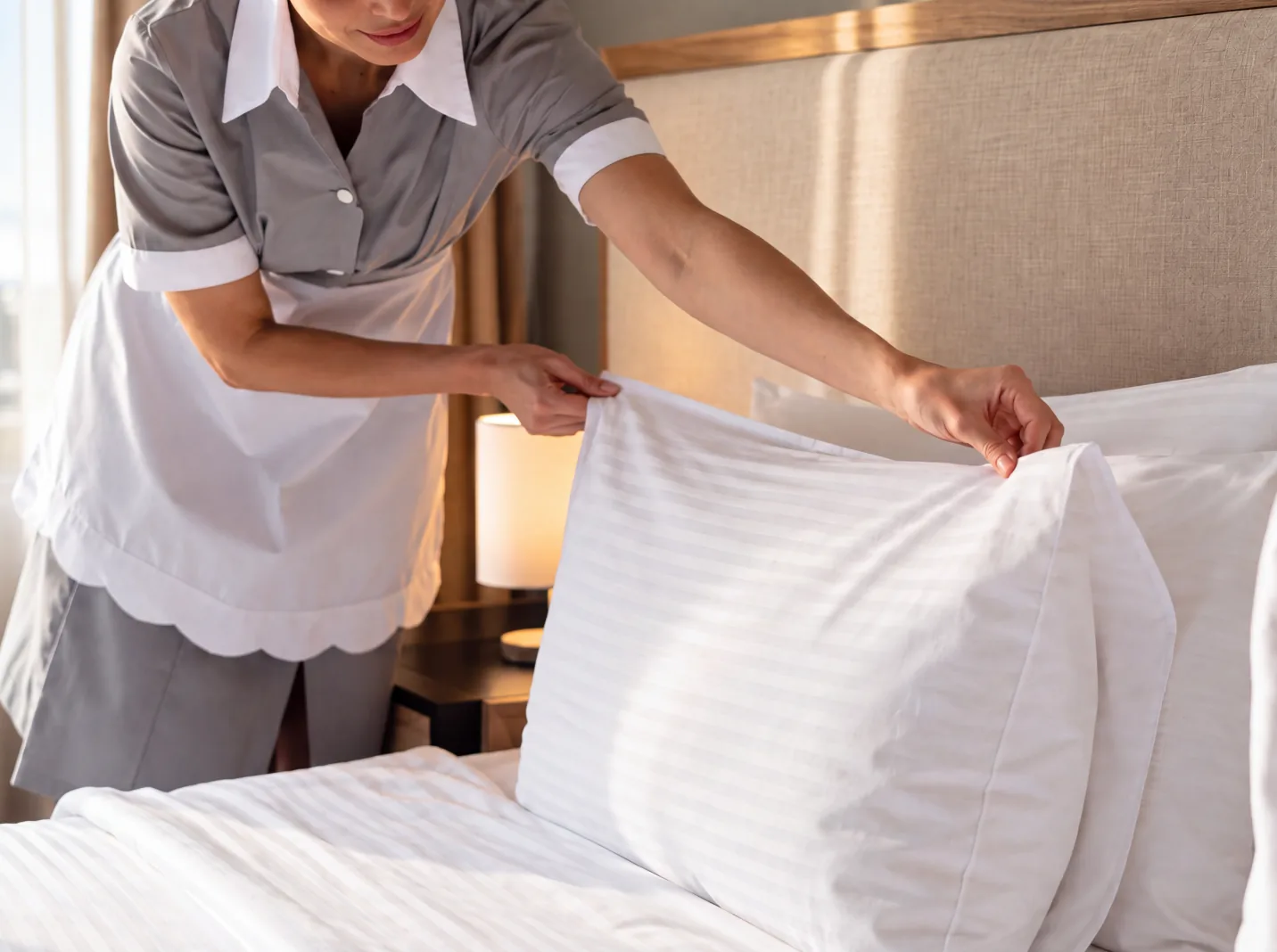
- cleaning, laundry and restocking between stays
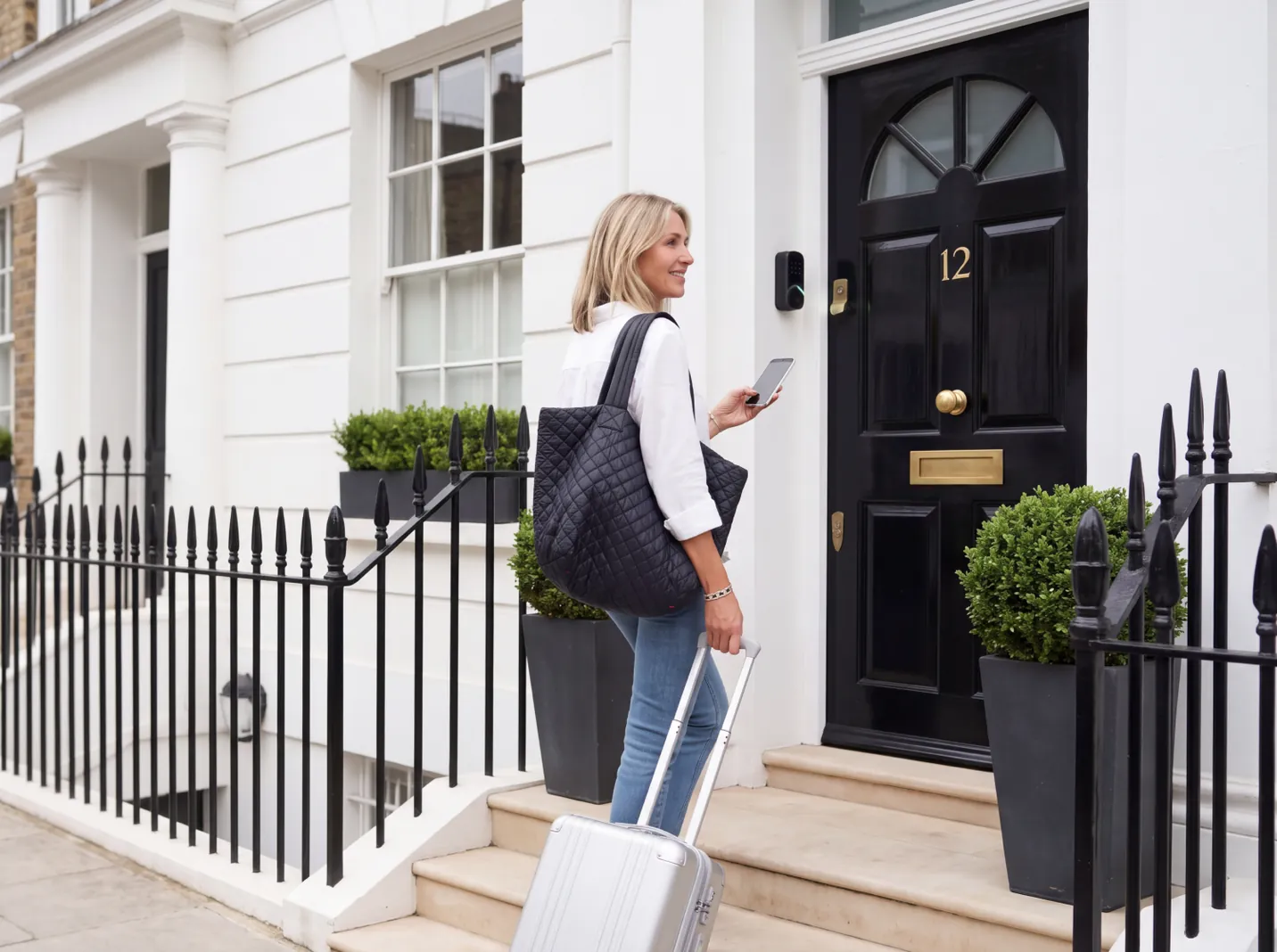
- key handover or keyless entry, and being reachable if something goes wrong at night
- gas, electrical and fire safety compliance, and insurance that covers paying guests
- tracking nights let, so you stay inside the 90-night limit if the property is in Greater London
- declaring the income to HMRC
Airbnb charges the host a commission on each booking. Airbnb now uses a host-only fee model, so the whole platform fee comes out of your payout rather than being split with the guest. Payouts are normally released about 24 hours after check-in.
If that list reads like a second job, it is one. It is the reason many London owners hand the day-to-day to a management company and keep the income.
Owning an Airbnb – Pro: easy, stress-free bookings
Renting out your primary residence on short-term platforms like Airbnb offers a more relaxed approach to bookings. Unlike investment properties, where vacancies can significantly impact your financials, your primary home doesn't incur losses from unbooked periods. This flexibility means that if your listing isn't occupied for a few weeks, it doesn't pose the same financial risk as an empty investment property awaiting tenants. Additionally, if you're looking to earn some extra income by listing your home while you're on vacation, there's no major worry if you don't secure a renter for that period.
Let's say you own a 2-bedroom flat in the vibrant heart of London, a prime spot for tourists seeking a short stay in the city. You decide to go on a month-long summer holiday to Italy and list your London flat on Airbnb to make some extra income while you're away. Your flat gets booked for three out of the four weeks you're abroad. Not only does this cover some of your travel costs, making your Italian getaway more affordable, but the week your flat isn't booked doesn't cause you financial stress. It's simply your home waiting for your return, not an investment property draining resources while staying empty. This example illustrates the financial and mental peace that comes from using your primary residence for short-term rentals, especially in a sought-after location like central London, where demand is high.
Owning an Airbnb - Con: securing personal belongings
When it comes to Airbnb my house, there’s the added task of securing personal belongings. For example, Mike, a frequent traveler, always has to put away personal items like family photos and valuables before each trip. It’s a necessary step for privacy, but the extra preparation can make hosting feel a bit less spontaneous. It's all about striking that perfect balance – making guests feel at home while keeping your vibe alive. This is the art of modern hosting: creating a space that’s inviting and cosy, yet respects the privacy and comfort we all cherish.
Pro: Tax perks
Putting your house on Airbnb UK can offer tax benefits, such as a tax-free allowance if you’re renting out part of your home. In the UK, a property qualifying as a Furnished Holiday Let may allow for additional deductions on furniture and fittings. This can make short-term renting financially appealing, especially when the tax implications are managed carefully..
Imagine this: You've got a lovely two-bedroom in London, and you decide to rent out the spare room. Not only do you get to meet travellers from around the globe, but you also get to enjoy a bit of extra income without worrying about taxes up to a certain amount. It's all about making smart moves and understanding the benefits that come with hosting.
Con: legal requirements
As your Airbnb business grows and starts making more money, it's important to think about VAT registration in the UK. This means you're following tax rules and staying on the right side of the law. Registering for VAT might mean some extra costs for taxes and paperwork, or you might need to adjust your prices a bit to keep things balanced.
If you're renting out a place in London, keep an eye on the 90-day rule too. This rule limits how long you can rent your property on platforms like Airbnb to 90 days a year. Sticking to this rule is key to avoiding any trouble or fines. By keeping up-to-date and taking action early, you can handle these rules well and keep making the most out of your Airbnb.
Let's say you've got a gorgeous flat in Notting Hill that's always booked out. While the extra cash is fantastic, crossing a certain income threshold means VAT becomes your new paperwork. Staying on top of your finances ensures your rental success is sustainable and aligns with legal requirements.
Pro: home away from home
Airbnb welcomes visitors from around the world, offering a delightful opportunity to connect with people from diverse cultures. It's a chance for you to share valuable insights about your neighborhood, guiding guests to the finest spots for a glass of wine or the most enjoyable playgrounds for children. Welcoming someone into your home can lead to lasting friendships.
From our Airbnb management experience, creating a house manual can enhance your guests' experience. These digital or paper instructions can include essential information about your home, such as Wi-Fi passwords, instructions for appliances, and emergency contacts. Providing this resource ensures that your guests feel comfortable and informed during their stay, contributing to a positive and memorable experience for both parties.
Con: constant availability for guests
While hosting on Airbnb can be rewarding, using your primary residence comes with its challenges. Your cosy family home may start feeling more like a workplace, with the constant need for clean linens, warm welcomes, and potential guest assistance.
As an Airbnb host, you're expected to treat your home like a business, which entails responding to emails around the clock, assisting guests who may have misplaced their keys, and addressing various other issues that arise. This can significantly impact your enjoyment of your own space.
Fortunately, with Staymo by your side, you don't have to bear this burden alone. Our expert team is here to provide 24/7 guest support, ensuring that your guests receive the assistance they need, whenever they need it. This allows you to enjoy the benefits of hosting without the stress of constant availability.
Pro: reliable source of Income
If you have a home in a desirable area, putting your house on Airbnb can be a great way to earn extra income. Whether you want to cover travel costs or simply make use of an empty space, renting out your home can turn it into a reliable income stream. Plus, Airbnb's flexibility allows you rent your place on your terms, blending hosting into your lifestyle.
So, if you've been wondering, "Can I Airbnb my house?", the answer is yes. It's a simple and effective way to make money from your home while offering travelers a unique and memorable place to stay.
Con: design dilemmas
One important factor to consider is how you want your property to appear on Airbnb. It's not just about listing a spare room – there's a lot to think about in terms of interior design and decoration. Certain colors that you might love for your family home might not be as appealing to potential guests. Similarly, a sofa that you find incredibly comfortable might not be the best choice for an Airbnb property if it is likely to get stained easily.
If you're serious about maximising your earnings on Airbnb, it's essential to tailor your décor choices to suit travelers rather than your personal tastes.
Ready to take the plunge? Our step-by-step Airbnb setup guide for will walk you through the process.
Conclusion
Imagine earning from your home on Airbnb without the hassle of managing guest relations and marketing. That's where Staymo comes in. We're an experienced Airbnb management company with a team of professionals ready to turn your space into a high-earning, standout holiday rental. From interior design advice to professional photography, marketing and guest experience, we've got you covered. Let Staymo help you transform your home into a successful holiday let, while you enjoy the rewards of stress-free hosting.
So, is Airbnb worth it? If you think so, learn more about our services or chat with one of our hosting experts today.
Frequently asked questions
Is Airbnb worth it for hosts in the UK?
It depends on the property and on how much of the work you do yourself. A well-located London flat let on short stays usually earns more per night than a standard tenancy, but occupancy is seasonal, running costs are higher, and in Greater London you are limited to 90 nights a year unless you have planning permission. The gap narrows once you pay someone to run it.
How much does Airbnb charge hosts?
Airbnb takes a commission from every booking. Airbnb now uses a host-only fee model, so the whole platform fee comes out of your payout rather than being split with the guest. Cleaning, laundry, consumables and any management fee sit on top of that.
Do I need permission to run an Airbnb in London?
Not for the first 90 nights of the calendar year, as long as the property is a residential home in Greater London. Beyond 90 nights you need planning permission for a change of use. Leaseholders should also check the lease and anyone renting should check the tenancy agreement, because both often prohibit subletting. More detail on the rules is in our guide to Airbnb regulations in London.
Need help? Get in touch
.webp)
.webp)